

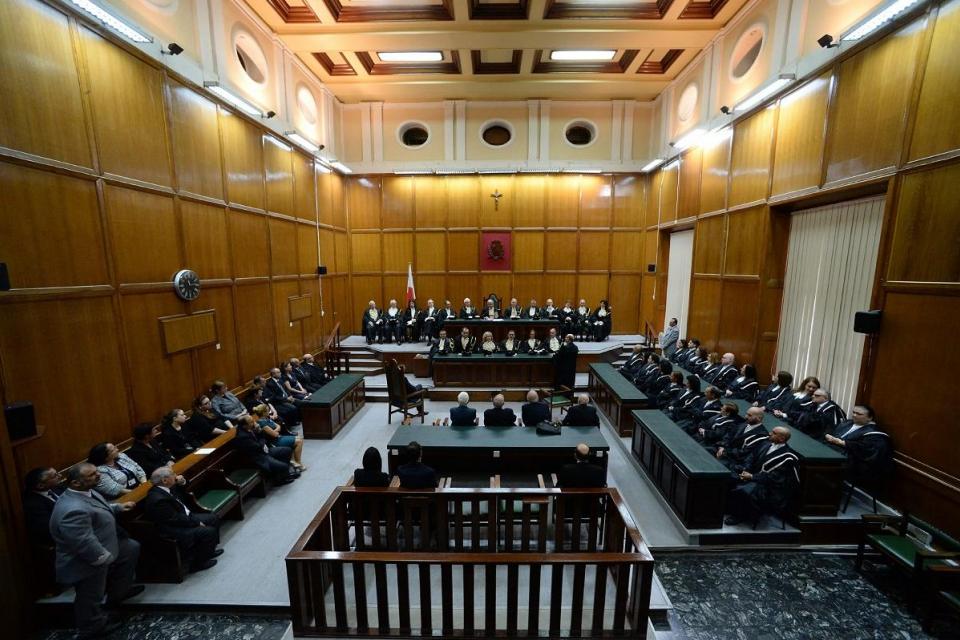


During the electoral campaign, a number of issues that had previously been considered urgent for the country disappeared from public discussion. One of them is the appointment of a new Chief Justice.
The need to appoint a Chief Justice did not disappear simply because the election has passed. On the contrary, now that electoral pressures are behind us, we have an opportunity to address this issue with the seriousness it deserves.
Repubblika believes that the public discussion should focus on the process rather than on individuals.
The office of Chief Justice is not a political one. The person who leads the judiciary should not be chosen through a public contest between political parties, nor should the appointment become yet another occasion for partisan controversy. The independence and authority of the judiciary are not strengthened when judges are discussed as though they were political candidates.
The lesson of recent months is that our current system is unsatisfactory. The debate focused on names and personalities rather than principles. Political parties argued about possible candidates while the most important question was set aside: how should a democratic state choose the head of an independent judiciary?
Repubblika has consistently argued that the appointment of the Chief Justice should be based on merit and should strengthen judicial independence. The judiciary is a separate branch of the State. It is therefore reasonable that members of the judiciary should have a decisive role in choosing the person who will lead them.
European institutions have long maintained that judicial involvement in this process should be strengthened. The objective should not be to reach some political agreement behind closed doors or after a public pantomime, but to ensure that the appointment is as free as possible from political interference and enjoys the confidence of the judiciary itself.
There is no reason for this discussion to remain trapped in partisan calculations. Before Malta once again becomes consumed by speculation about individual names, we should have a mature discussion about the principles that ought to govern the appointment of a Chief Justice.
The question is not who should be appointed Chief Justice. The question is how Malta can ensure that the appointment of a Chief Justice strengthens the independence of the judiciary, reinforces public confidence in the courts, and better guarantees the separation of powers on which our democracy depends.