



Repubblika welcomes the Constitutional Court’s judgment, which found that the inquiry into the hospital concession was conducted fairly and in accordance with the law.
The Court rejected the argument that the process was illegitimate or that the magistrate was biased. This means that what has been claimed for years – that this was a “persecution” or a “political inquiry” – has now been dismissed by the Court. The judicial institutions can and must continue to carry out their work to the end without obstruction.
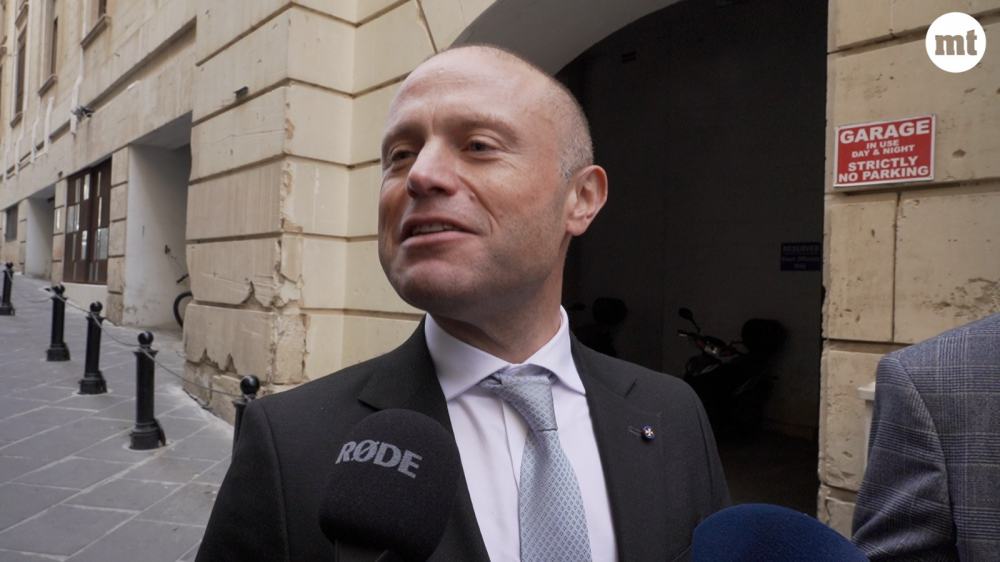
This judgment also has important institutional significance. For a long time, the magistrate who led the inquiry was subjected to intense public and political pressure. Joseph Muscat coordinated a campaign of character assassination against the magistrate. Prime Minister Robert Abela himself repeatedly intervened to discredit the process, using arguments that resemble the legal defence of an accused person more than a respect for judicial independence. Today, the Court confirmed that these attacks had no factual or legal basis.
In a democracy, the most important test of the rule of law comes when the law must apply to the most politically powerful persons. Institutions must be free to investigate, conclude, and, where appropriate, convict without intimidation, delegitimisation campaigns, or pressure from those in power.
Repubblika recalls that the inquiry began after a criminal complaint filed by citizens. In fact, this was an inquiry requested by Repubblika. The Court’s confirmation of the validity of the process affirms that citizens have the right to seek justice and that the law applies equally to everyone. Since then, the government has removed this right by changing the law, and we are also challenging this abuse in court. This is in addition to Joseph Muscat’s attempt in this case, which he lost today, to discredit the work of Repubblika, particularly that of former president Robert Aquilina and the lawyer who assisted us, Jason Azzopardi.
We reiterate a simple appeal: let the institutions work. Justice must be done in the courts and not on the political stage. This judgment shows that, despite strong pressure, the rule of law in Malta can function if it is allowed to do so.