

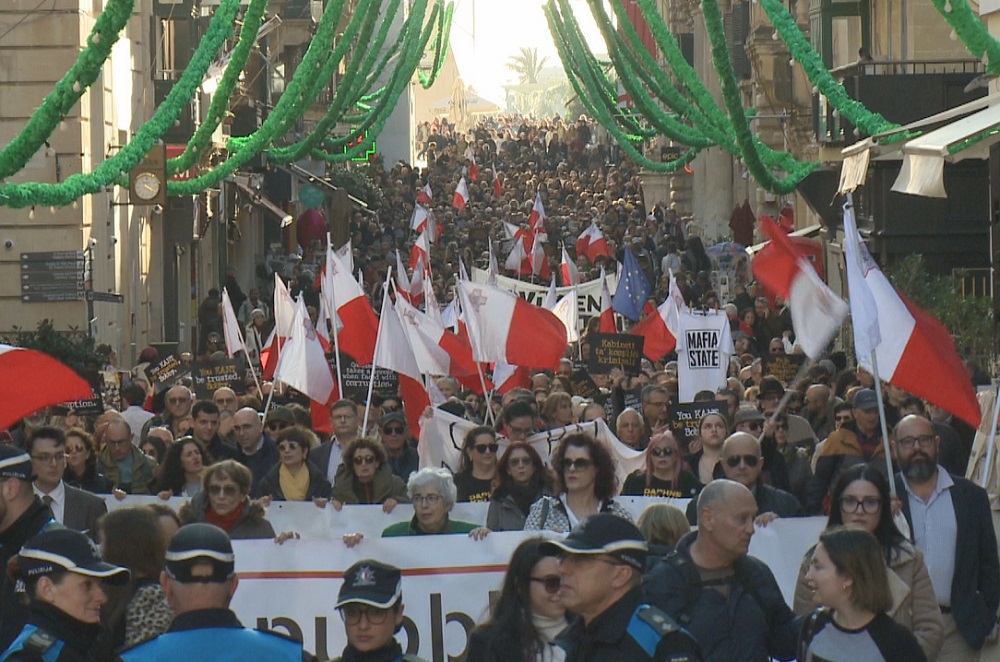


In recent weeks, following the general election, we have witnessed an almost daily campaign in the Labour Party’s media directed against civil society activists, non-governmental organisations, and individuals who express critical views of the Government.
This is not the first time this has happened. But there is an important difference. This time, there appears to be a systematic effort not merely to criticise or disagree with dissenting voices, but to dehumanise them, ridicule them, and portray them as enemies of the country.
Groups that declare their loyalty to the Labour Party are now creating artificial intelligence-generated images to humiliate individuals, including Robert Aquilina, Jason Azzopardi, Vicki Ann Cremona, Manuel Delia, Ranier Fsadni and Kevin Cassar, among others. These images echo the rhetoric of the Labour Party’s official media, which attributes to these same individuals words they never said. We have seen deliberately misleading representations of their views. We have also seen coordinated social media campaigns that encourage personal attacks and hatred.
All this is taking place at a time when Malta will once again be confronted with difficult questions about the murder of Daphne Caruana Galizia and the need for full justice to be done. We cannot ignore the fact that many of those being targeted today are the same individuals and organisations that have, for years, insisted that the full truth about this assassination must emerge and that everyone responsible must be held accountable for their actions.
We remember well how Daphne Caruana Galizia was treated while she was alive. There were those who sought to discredit her, mock her, isolate her, and strip her of her dignity. Those methods did not end with her. Today, we are witnessing the same culture of hatred and intimidation being deployed against others.
If there is one lesson we have learned from Daphne and from the experience of the last nine years, it is that intimidation does not prevail. Repubblika has been declared finished many times. It was predicted that citizens who stand up against abuses of power would disappear. That did not happen.
In a democracy, the legitimacy of a voice does not depend on how many people stand behind it. There is no rule that says that winning an election gives anyone the right to silence their critics. A parliamentary majority is a mandate to govern, not a licence to remove from public life those who disagree with you.
It is precisely when a political party is strong that it bears the greatest responsibility to exercise its power with restraint and with respect for the diversity of opinions. A government that believes in itself does not fear criticism. A government that trusts its people does not seek to silence those who ask questions.
This campaign is also taking place at the very moment when the Government is preparing new legislation regulating voluntary organisations. For civil society organisations to ask to see the contents of a law that will directly affect them is not an act of defiance. It is the most basic aspect of democratic consultation. To portray such requests as excess or insolence is a troubling sign.
Repubblika has no intention of retreating or restraining its voice. Nor will we respond to hatred with hatred.
Instead, we renew our solidarity with other civil society organisations, journalists, activists, and all citizens who believe that democracy needs more voices, not fewer.
Civil society is not a political party, nor does it exist to replace political parties. Its role is different. It exists to give citizens a voice, to challenge abuses of power wherever they occur, to demand accountability from those who govern, and to safeguard democratic principles that belong to everyone, regardless of which party happens to be in government.
Psychological violence, abuse, and intimidation can create a great deal of noise. But noise does not last forever. What endures is the commitment of citizens who believe that freedom, justice, truth, and accountability are essential to democratic life.
We will continue this work. Because we believe in it. Because we know it is necessary. And because Malta needs a civil society that is free, courageous, and independent — one that will not allow fear, hatred, or power to silence it.