


The rule of law requires that the law apply equally to everyone. That principle loses all meaning if those who break the law are allowed to continue enjoying the advantage they gained by breaking it.
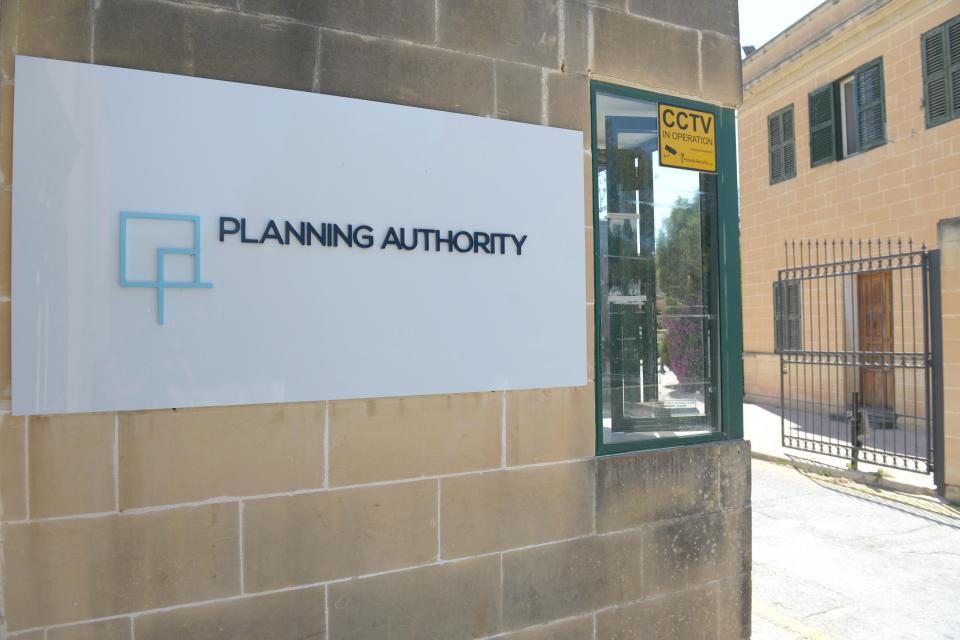
The Planning Authority’s decision to sanction a development on Manoel Island that was commenced and completed without the necessary permits sends a dangerous message: that the law can be broken and, if a permit is obtained afterwards, the breach can simply be regularised by paying a fine.
Fines are meant to deter illegal conduct, not to become part of the ordinary cost of a commercial project. When the benefit gained from an illegal development is greater than the consequence of breaking the law, the law loses its force and compliance becomes a disadvantage for those who obey the rules.
The Planning Authority exists to enforce the law, not to create a system in which those who take the risk of building illegally end up in a better position than those who wait to obtain all the necessary permits before starting work.
This is not a question of being for or against a particular development. It is a question of good governance and equality before the law. In a country that aspires to uphold the rule of law, compliance with the law must come before administrative convenience.
Repubblika calls on the Government and the authorities to stop allowing illegality to become a fait accompli and to ensure that the enforcement of the law is credible, consistent, and equal for everyone.