


Statement by aditus Foundation, Daphne Caruana Galizia Foundation, and Repubblika.
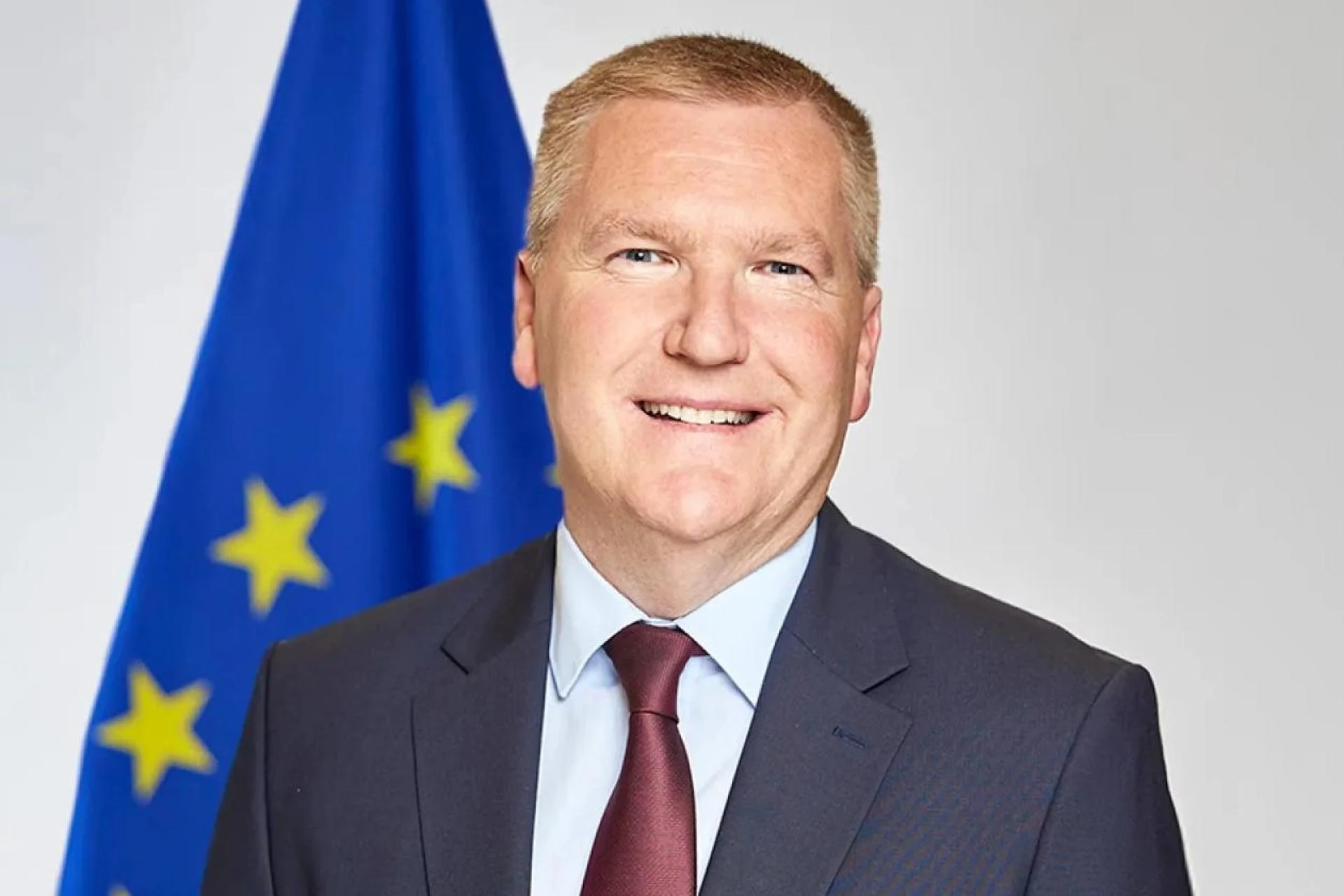
On 25 June 2026, representatives of aditus Foundation, Repubblika and the Daphne Caruana Galizia Foundation met with Commissioner Michael McGrath to discuss a range of issues relating to justice, media freedom, anti-corruption efforts, and the rule of law in Malta.
Such meetings are important opportunities for civil society organisations to highlight concerns regarding the functioning of democratic institutions and the protection of fundamental rights, at both the national and European levels.
A significant part of the discussion focused on the state of Malta’s justice system. We raised concerns about a system that remains costly and excessively slow for victims and their families, despite repeated commitments to reform. We highlighted the continued lack of digitalisation in the courts, despite EU funding specifically intended to improve the efficiency of our justice system. We also expressed concern about the difficulty of accessing data on criminal court proceedings in Malta, which makes it challenging to assess progress and identify persistent shortcomings. In this regard, we called for the inclusion of criminal case data in the EU Justice Scoreboard to facilitate greater transparency and more effective monitoring of Malta’s courts’ performance.
We also discussed the importance of safeguarding judicial independence, particularly regarding the appointment of the Chief Justice. We emphasised that this appointment should be determined by members of the judiciary rather than politicians, thereby strengthening public confidence in the independence and impartiality of the courts. Furthermore, we discussed the draft law on changes to the appointment of members of quasi-judicial tribunals and the missed opportunity to properly strengthen the independence and impartiality of such tribunals and create a tribunal system that truly respects the rule of law.
The organisations further raised concerns regarding the Maltese Government’s failure to implement the recommendations of the Public Inquiry into the assassination of Daphne Caruana Galizia. Nearly five years after the publication of the Inquiry’s report, many of its recommendations remain partly or unimplemented, reflecting a continued lack of political will to address the systemic failures identified by the Board. We stressed that the full implementation of these recommendations is essential to strengthening the rule of law, combating corruption, and protecting journalists in Malta.
We raised with Commissioner McGrath our concern with the weakening of Malta’s anti-corruption framework, such as the removal of the right of individual petition to the criminal court to initiate magisterial inquiries, the termination of criminal prosecutions for
money laundering on the basis of backroom tax settlements, and the weakening of asset freezing in money laundering cases. We said this continues to exacerbate Malta’s long-standing failure to secure convictions in high-profile cases of corruption.
We also raised our concern about the near-inexistent engagement between Maltese authorities and civil society, particularly in view of the outstanding recommendation by the EU Commission for improved public participation in the making of Maltese laws. The Commission assured us that they have communicated to the Maltese authorities our wish to be consulted on the new law governing NGOs and the law establishing a National Human Rights Institution. Commissioner McGrath further assured us that he would pass the message to the Maltese authorities about our desire to engage with them to discuss issues concerning the rule of law in the public interest.
We thank Commissioner McGrath for the opportunity to exchange views on these important matters and look forward to seeing our recommendations translated into concrete action by the Maltese Government.