
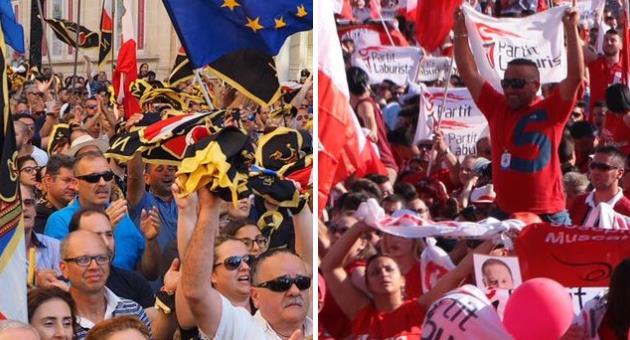


Repubblika notes recent reporting on political party fundraising and finances, which once again exposes the profound opacity surrounding the private funding of Malta’s political parties.
We continue to insist that the lack of transparency and effective regulation of political party funding is one of the weakest links in our democracy and one of the most likely sources of corruption in our political system.
Despite repeated warnings from civil society, international bodies, and Malta’s own experience of corruption scandals, the political community has shown a stubborn refusal to address these issues through proper rules on party funding and, crucially, their independent enforcement. This unwillingness to act can only suggest a level of comfort with the present arrangements.
When individuals openly and proudly proclaim that they have organised six-figure donations to political parties, the public is left perplexed. Political parties are free to solicit and receive large private donations without any obligation to disclose their sources, even as they present themselves as fit to govern and to take decisions that affect all citizens — including those who are not donors to political parties.
This situation is fundamentally undemocratic.
Political parties are not private clubs. They are essential institutions of democratic life, exercising enormous influence over public policy, public appointments, and the allocation of public resources. Allowing them to operate behind a veil of financial secrecy undermines public trust and creates fertile ground for conflicts of interest, undue influence, and corruption.
Repubblika therefore reiterates its longstanding calls for urgent reform, including:
- the introduction of adequate public funding for political parties, subject to strict transparency and accountability rules;
- a ban on private donations from individuals or entities who are, or may reasonably be expected to be, employed by or contracted with government or public authorities;
- the extension of transparency and accountability obligations to companies and entities owned or controlled by political parties;
- the establishment and enforcement of robust, independent oversight of party finances.
Until political parties are held to the same standards of transparency and integrity that they demand of others, Malta’s democratic system will remain vulnerable. The continued failure to act is not a technical oversight — it is a political choice, and one that carries serious consequences for the rule of law and public trust.